Kakadu or Litchfield? That’s the million-dollar question most people ask when planning a Northern Territory trip. I’m Paul Beames, and I’ve spent years guiding people through both national parks, swatting mozzies, watching crocodiles and dodging the odd wet-season downpour. Let’s get to the bottom of it.
Both parks are amazing, but they deliver very different experiences. Kakadu is big, cultural and raw – it’s like stepping into an ancient library written in stone and swamp. Litchfield is small, fun and accessible – think natural swimming pools where you can actually cool off without worrying about salties. Each has its charms, but which one is best for you depends on time, season and what you want out of your Top End adventure.
The Size Factor: Scale vs. Simplicity
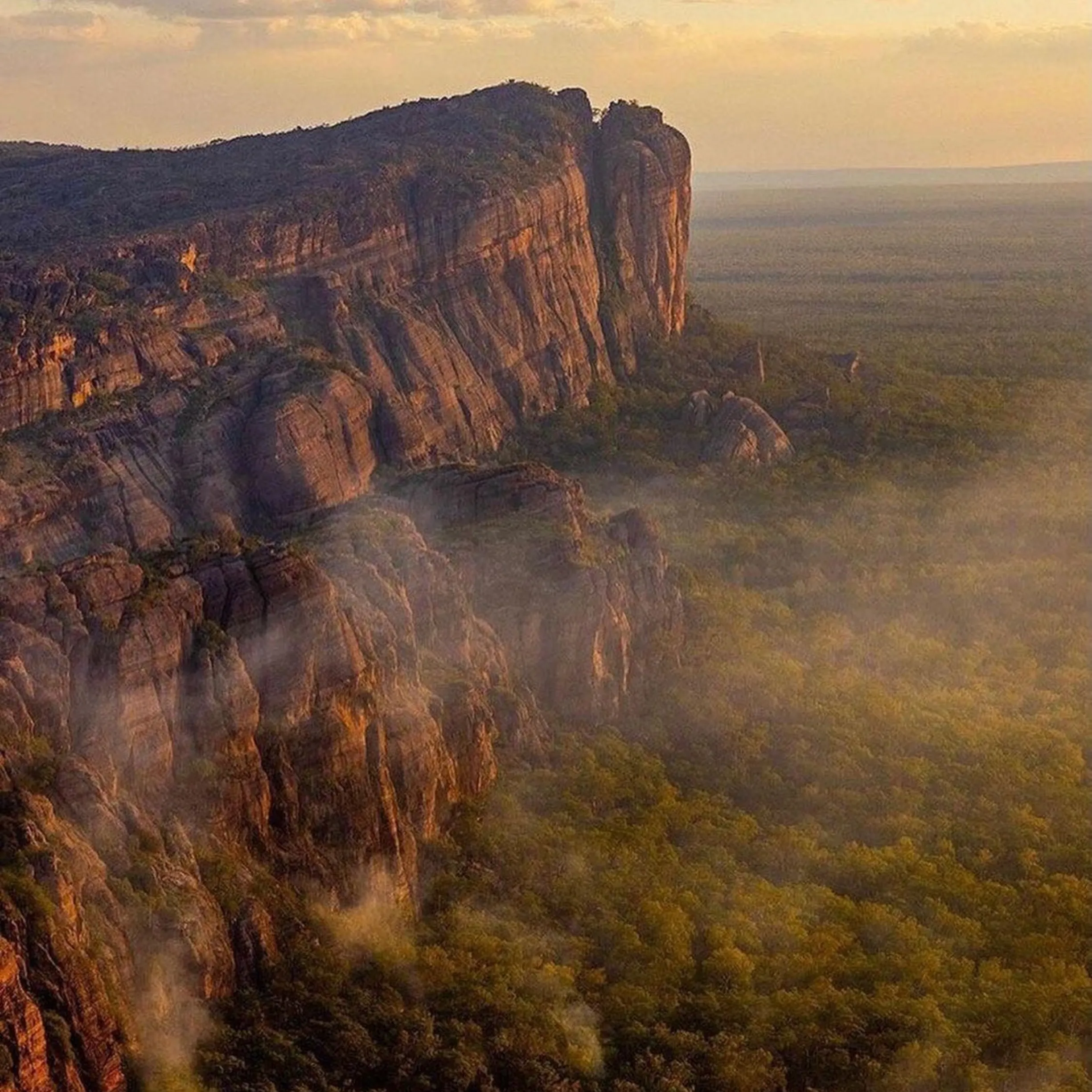
Kakadu is a giant. 19,000 square kilometres of it. Litchfield is 1,500 square kilometres. The difference is huge, and it changes everything.
Kakadu needs time – ideally 4-7 days – to do it justice. Distances are long, roads are rough and seasonal closures often cut off half the park in the Wet. Litchfield is a dream for short trips. You can see the highlights in a day from Darwin or hang out for a couple of nights at nearby camps.
| Park | Size | Suggested Timeframe | Accessibility | Park Entry Fee |
| Kakadu | ~19,800 km² | 4–7 days minimum | Remote, longer drives, seasonal closures | $40 per adult (7 days) |
| Litchfield | ~1,500 km² | 1–3 days | Easy access from Darwin, sealed roads to major sites | Free |
If you’re short on time, Litchfield wins hands down. If you’ve got a week and a thirst for adventure, Kakadu is worth the kilometres.
Swimming Without Worry
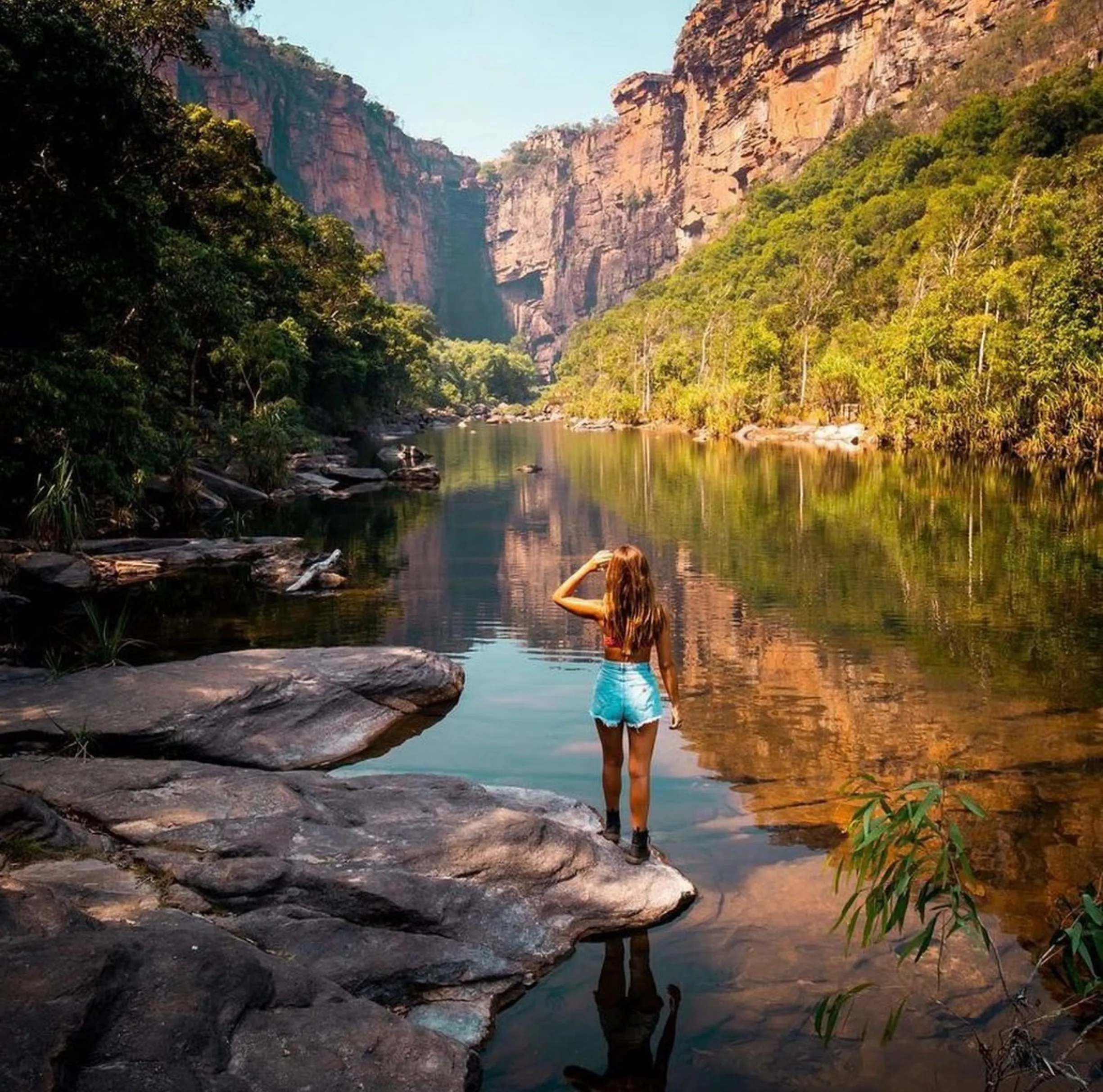
You’ll hear this question a lot: “Can I swim in Kakadu?” The short answer is rarely, unless it’s at a supervised pool. Saltwater crocodiles call Kakadu home, and they don’t exactly make for safe swimming buddies. During the dry season, a few billabongs and plunge pools may open, but most of the park is strictly look-don’t-touch when it comes to water.
Litchfield is the opposite. Its waterfalls and plunge pools are world-famous for being croc-free during the Dry. Places like Wangi Falls, Florence Falls and Buley Rockholes are perfect for a dip. Just remember, rangers close some spots in the Wet when currents get too dangerous.
So, if swimming is high on your list, Litchfield is the clear winner. Bring your togs and don’t forget the reef-safe sunscreen.
Culture, Rock Art and Connection to Country
This is where Kakadu comes into its own. Home to the Bininj/Mungguy people, Kakadu is a living cultural landscape. The rock art at Ubirr and Nourlangie tells stories that stretch back tens of thousands of years. Standing in front of those ochre-painted walls, you can feel the weight of history.
Guided cultural tours run by Traditional Owners give you insights you won’t find in a book. It’s not just about ancient art either – it’s about living Aboriginal culture, land management and the deep connection to Country. UNESCO recognised Kakadu as a World Heritage site for both its natural and cultural values and for good reason.
Companies like Autopia Tours offer Kakadu National Park tours that combine rock art visits with wetland cruises, making it easier for travellers to connect with Country while still seeing the major highlights.
Litchfield has cultural significance too, but it doesn’t have the same concentration of rock art or interpretive sites open to visitors. If connecting with First Nations culture is important to your trip, Kakadu is unbeatable.
Wildlife Encounters Beyond the Crocs
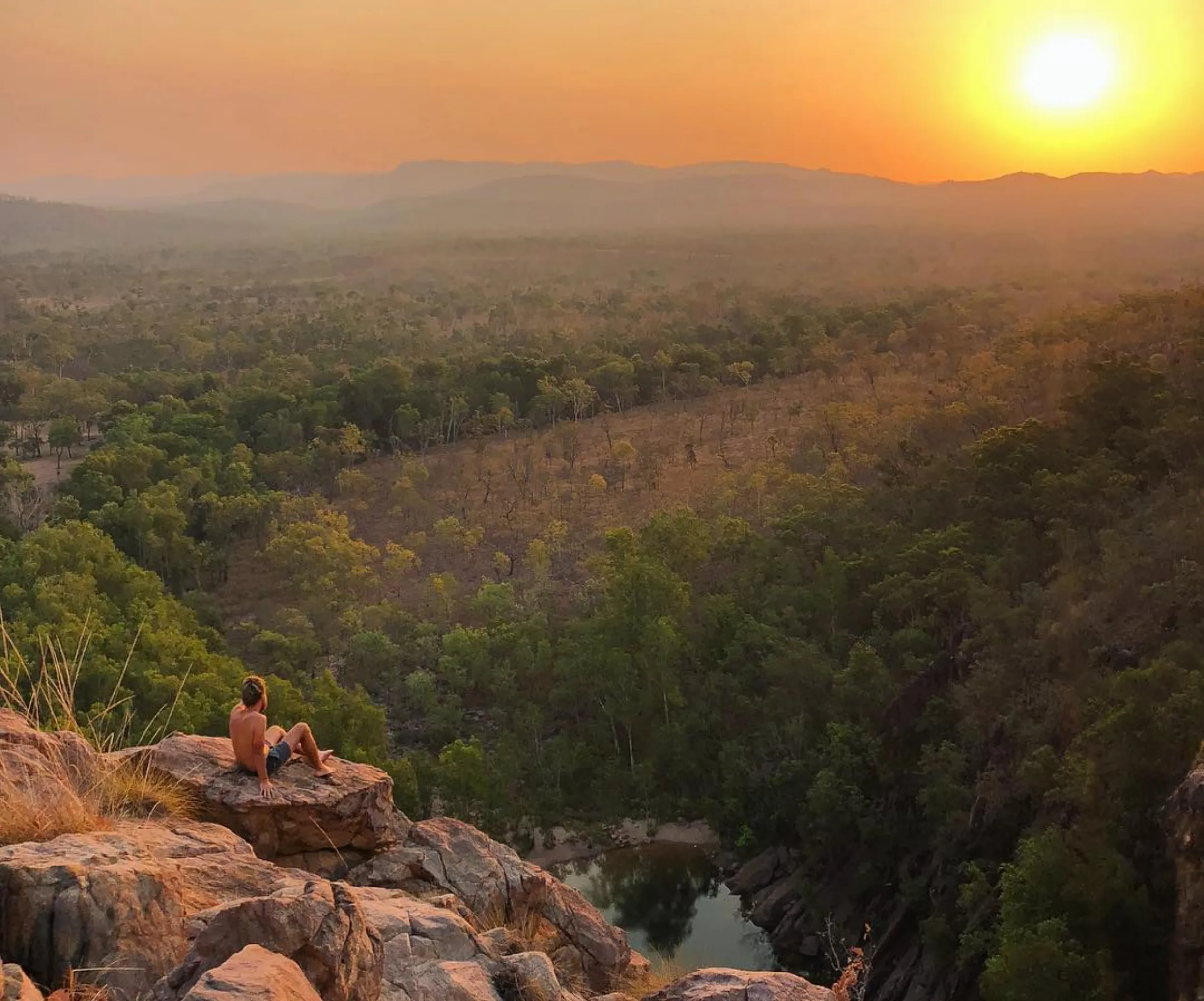
Kakadu is a birdwatcher’s paradise. Over one-third of Australia’s bird species live here. In the Wet, the floodplains fill with magpie geese, jabirus and brolgas – a twitcher’s dream. Add in wallabies, dingoes and yes, plenty of crocs, and you’ve got a true wildlife safari.
For many visitors, adding a Jumping Crocodile Cruise along the Adelaide River en route to Kakadu is the perfect way to meet the Top End’s most famous residents up close – from the safety of a boat, of course.
Litchfield’s wildlife is more subtle. You’ll see agile wallabies at dusk, flying fox colonies near Tolmer Falls and plenty of birdlife. But the focus is less on big wetlands spectacles and more on enjoying the balance of bush and waterholes.
For sheer biodiversity, Kakadu wins. But if your idea of wildlife is a few friendly wallabies while you sip a tinnie at camp, Litchfield has you covered.
Access and Road Conditions
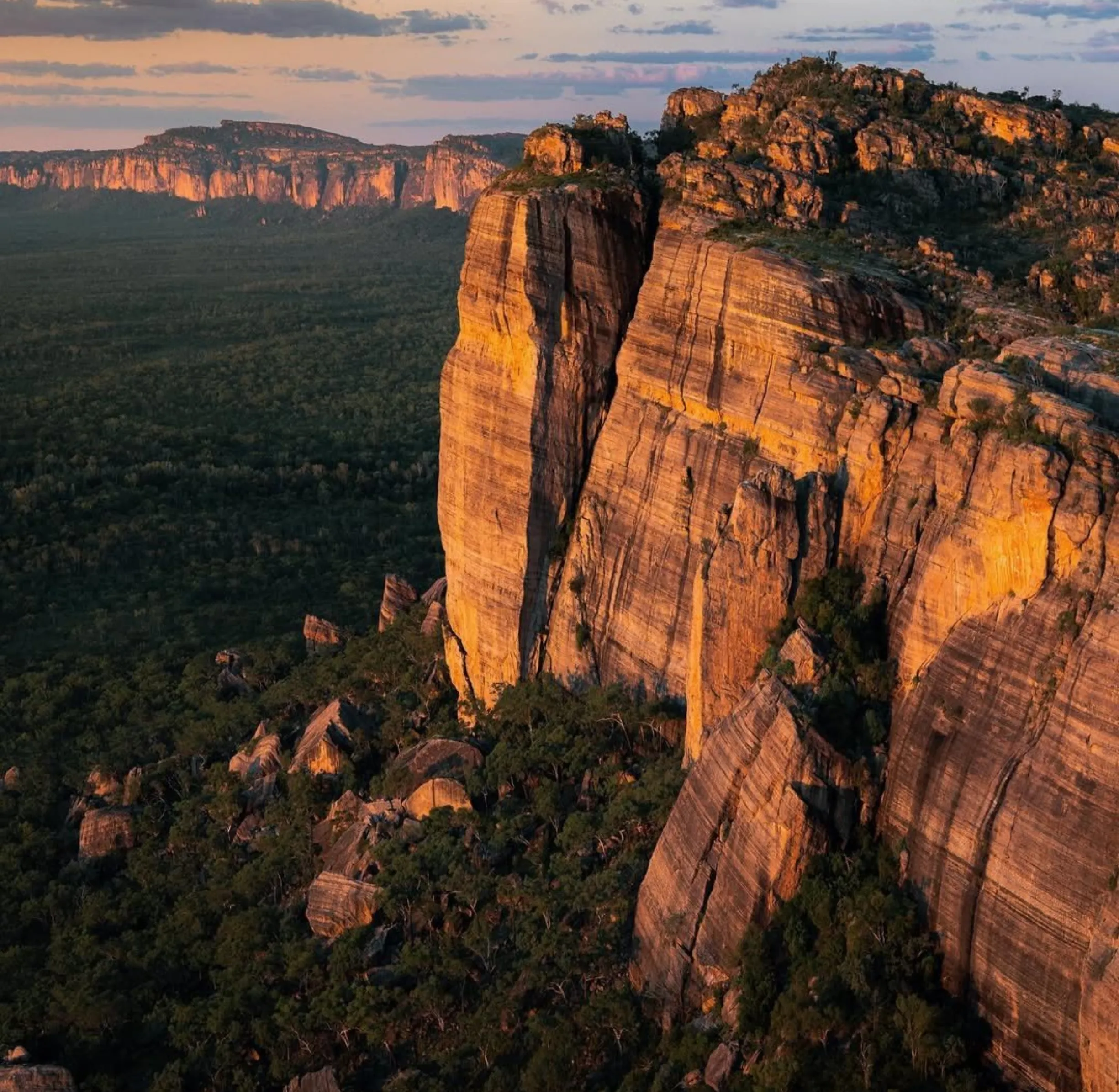
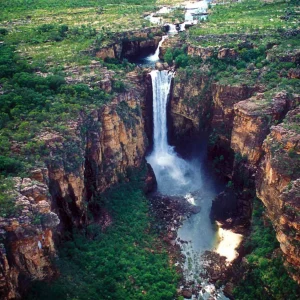
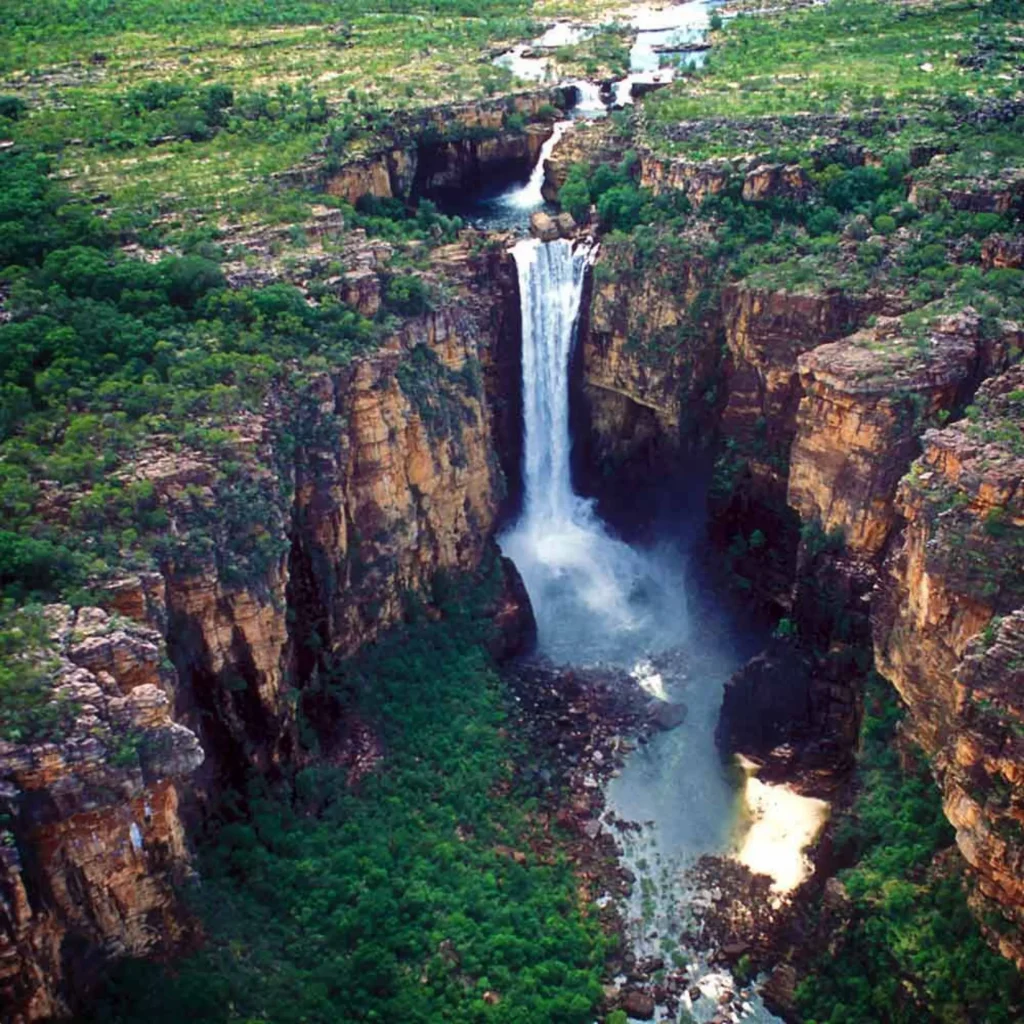
Getting to Kakadu is a 3-hour drive from Darwin. Once you’re there, some of the best spots – like Jim Jim Falls and Twin Falls – require 4WD, river crossings and corrugated roads. In the Wet, many roads are closed.
If you don’t have the time or confidence to tackle the tracks yourself a Darwin to Kakadu day trip or 2 day Kakadu tours from Darwin is a popular way to see the highlights without the stress. Operators like Autopia Tours handle the logistics so you can just sit back and enjoy.
Litchfield is much easier. It’s only 90 minutes from Darwin, and sealed roads get you to most attractions. A 2WD sedan will get you to Wangi Falls, Florence Falls and Buley Rockholes without a problem. The park also has 4WD-only tracks if you want to test your tyres.
If convenience is key, Litchfield wins. Kakadu rewards those who go deeper, but it’s not a park you rush.
Wet Season vs Dry Season
Here’s the truth about the Top End: timing is everything. The dry season (May to October) is when most people visit. Roads are open, waterfalls are flowing, and humidity is bearable. It’s also when the crowds peak and campsites can feel like sardines.
The Wet (November to April) transforms the landscape. Kakadu’s waterfalls roar, wetlands explode with life and afternoon storms light up the sky. But access is limited, mozzies are relentless, and you’ll need to plan carefully. Litchfield still has some access in the Wet, but swimming holes often close due to strong currents, and the risk of flooding varies from year to year.
If you want ease and reliability, go Dry. If you want drama and don’t mind a few soggy boots, the Wet is unforgettable.
Cost
Let’s talk money. Kakadu requires a park entry fee through a Parks Pass (around $40 per adult for 7 days). Tours, accommodation and fuel costs add up quickly because of the distances involved. Camping is available, but often remote, so you’ll need to be self-sufficient.
Litchfield doesn’t require an entry fee and is close to Darwin, so costs are lower. You can stay in Batchelor or camp inside the park with basic facilities. Day trips are cheap and cheerful, so they are the budget-friendly option.
If you’re watching your wallet, Litchfield is the clear winner. Kakadu, though pricier, offers experiences you can’t put a dollar figure on. Multi-day tours, like a 4 day Kakadu tour, are more expensive but give you the chance to see both the accessible highlights and the remote corners.
When to Choose One Over the Other
Still undecided? Here’s the straight-up version:
Choose Kakadu National Park if:
- You want deep cultural experiences and ancient rock art.
- Birdwatching and wildlife are high on your list.
- You have at least 4 days.
- You’re prepared for 4WD tracks and long drives.
Choose Litchfield if:
- Swimming in croc-free waterholes is a priority.
- You only have 1-3 days.
- You want easy access from Darwin.
- You’re after a budget-friendly adventure.
Final Thoughts: The Top End’s Double Act
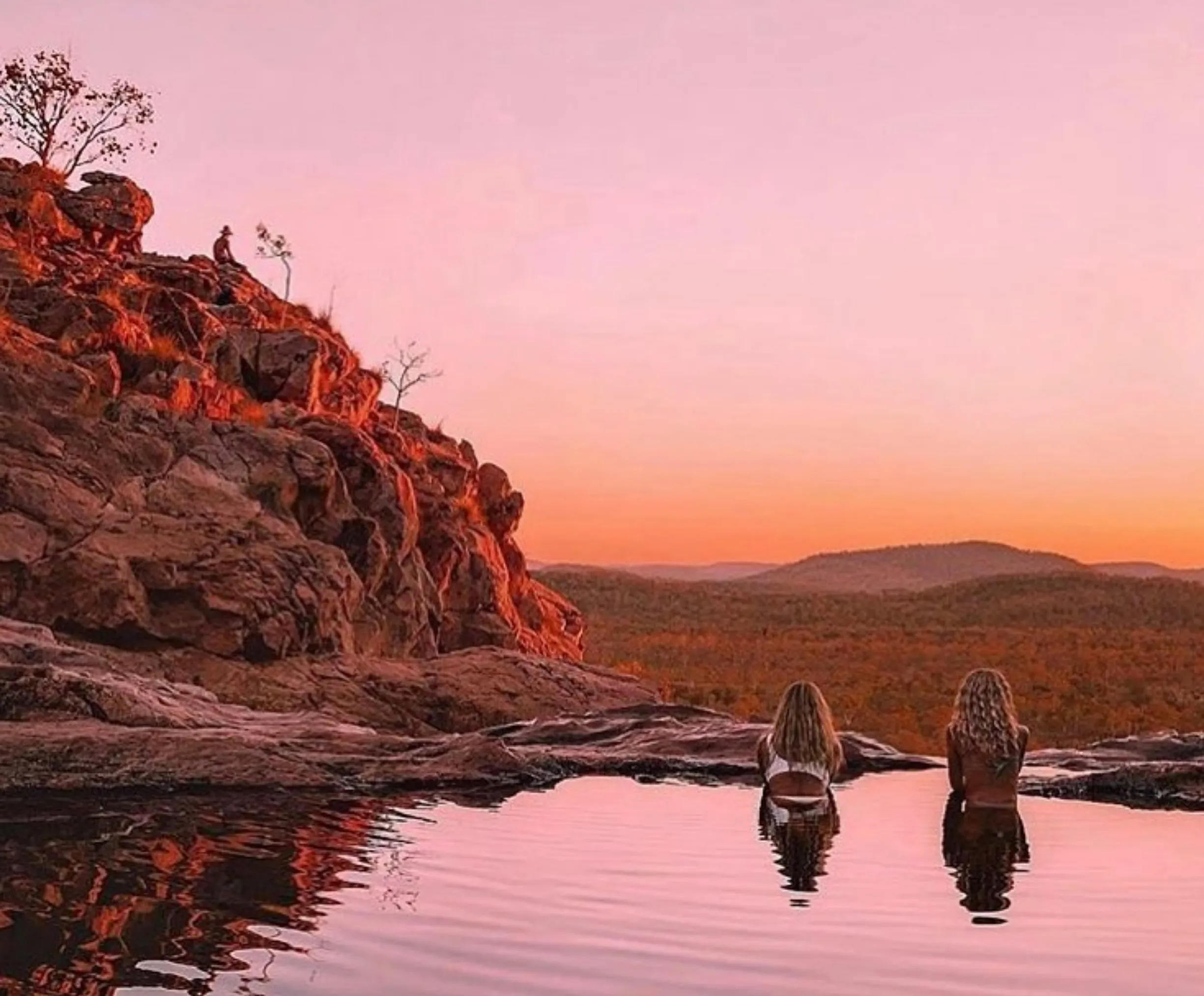
So, which is better, Kakadu or Litchfield? The honest answer is both — for different reasons. Kakadu is the heavyweight, steeped in Aboriginal culture and wilderness that can make you feel small in the best way. Litchfield is the crowd-pleaser, a natural playground where you can cool off and have a laugh with your mates.
If you can, do both. Start with Litchfield for the swims and short walks, then head to Kakadu for the depth and grandeur. That way, you’ll get the full spectrum of the Top End — from croc-filled billabongs to refreshing rockholes.
Got a favourite NT track or campsite I missed? Drop it in the comments — I’m always updating the field notes. And if you’re keen on a guided adventure, check out what Autopia Tours and the Get Lost Travel Group are running. We’ve got itineraries that weave the best of both parks, minus the stress of planning.
FAQ
Is Kakadu worth it if I only have one day?
Not really. The park is too big to do justice in a single day. You’ll spend most of your time driving. Better to save Kakadu for when you have at least 3–4 days.
Can I visit Litchfield without a tour?
Yes. Litchfield is very DIY-friendly, with sealed roads and clear signage. Just bring water, sunscreen, and mozzie spray.
Are there crocodiles in Litchfield?
Saltwater crocs are removed from the main swimming holes in the Dry, but always follow ranger signage. Some rivers and creeks remain off-limits year-round.
When is the best time to see Kakadu’s birdlife?
The late Wet into early Dry (March–May) is prime. Wetlands are teeming with magpie geese, brolgas, and other species.
Do I need a 4WD for Kakadu?
Not for all sites, but many iconic spots like Jim Jim Falls and Twin Falls require it. A 2WD will only get you to limited areas like Ubirr, Nourlangie, and Yellow Water.