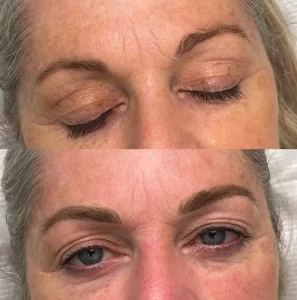

“Why does my tattoo itch years later?” Whether it’s your old ankle tat or a soft pink cosmetic tattoo on your lips, an itchy patch of ink can take you by surprise. At Cosmetic Tattoo Studio Face Figurati, we’ve helped clients sort out every skin mystery under the sun — and yes, that includes persistent itch from body art or cosmetic tattooing done years ago.
Whether it’s a fully healed forearm sleeve or an old lip blush, tattooed skin can still react to weather, skincare, allergens, or even shifts in your immune system. And while most of these are nothing to panic about, some symptoms might need a closer look from a professional, especially if you’re experiencing chronic irritation, swelling, or signs of infection.
Itching Years Later: What’s Happening Under the Skin?

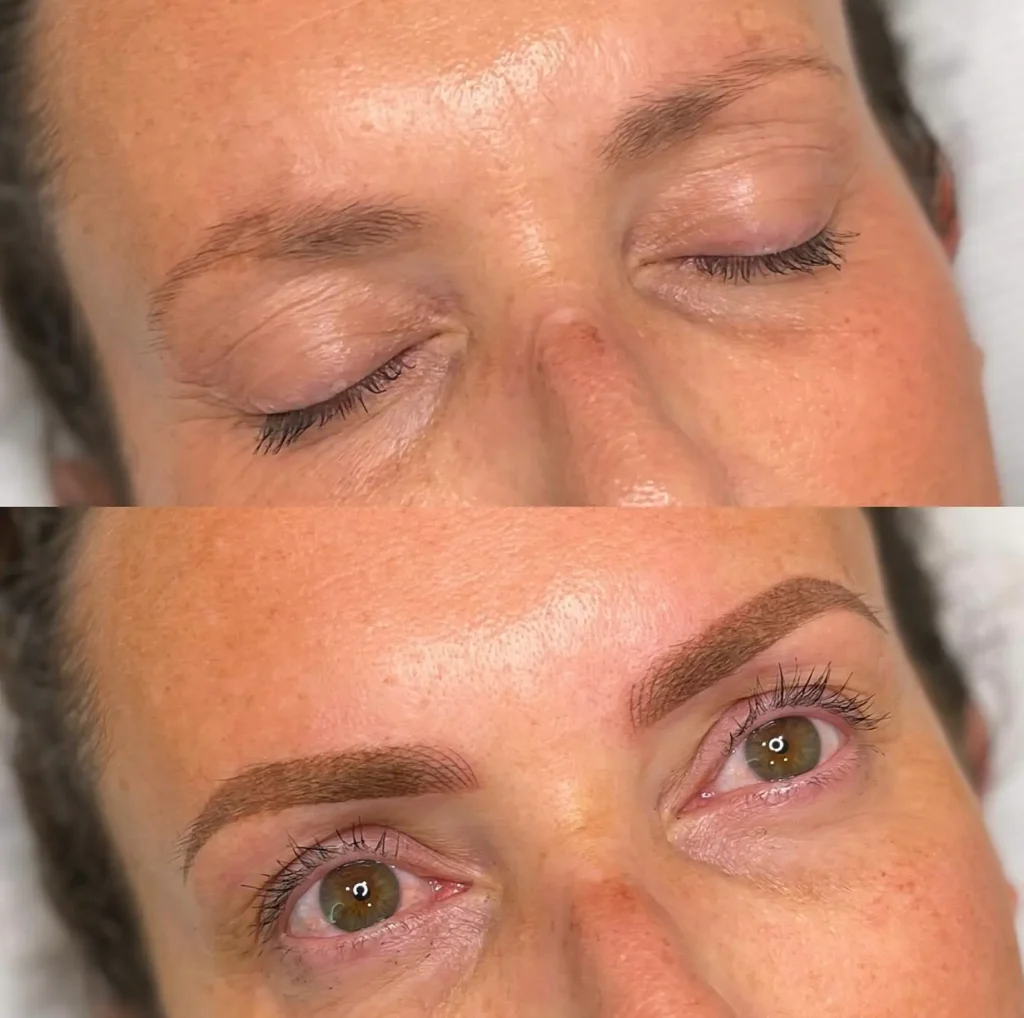
If your itching is happening over a brow tattoo or lip blush, it’s worth checking whether your original cosmetic tattooing artist used high-quality pigments and followed strict hygiene protocols. Inferior pigments or improper aftercare can create skin issues that reappear long after the initial healing process.
A tattoo — whether traditional or cosmetic — isn’t just a surface stain. It lives inside the dermis, where your skin’s immune cells, nerves, and healing systems hang out. That’s why long-term changes in your health, skin barrier, or environmental exposure can trigger tattoo itching, even years after your ink has settled.
Common Causes
Tattoo Ink Allergy (Even Years Later)
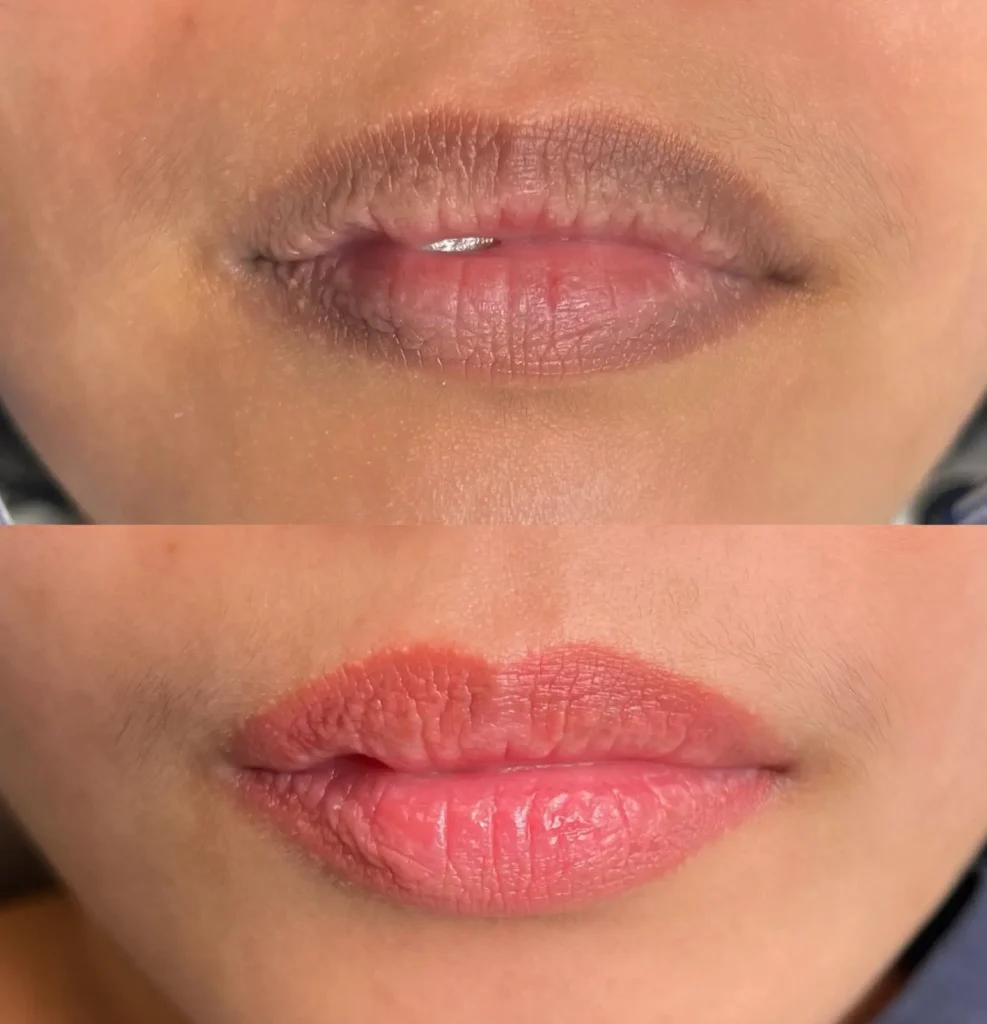
Clients who’ve had reactions to body ink may also react to cosmetic tattooing, especially in sensitive areas like the eyelids or lips. That’s why we always encourage patch testing and open chats with your cosmetic tattooing artist before the session.
Tattoo ink allergy is a real thing, and some colours are more likely culprits than others. Red and yellow are particularly known for triggering immune responses. The symptoms can mimic eczema: redness, bumps, flaky skin, and an itch that comes and goes.
Sun Exposure on Tattooed Skin
At our studio, we remind every single cosmetic tattoo client that the sun is the enemy of pigment retention. Whether you’re walking out with fresh eyeliner or healed brows, sun protection is a must, especially for those booking in with cosmetic tattooing Brisbane specialists.
UV rays don’t just fade pigment — they also inflame the skin, which can trigger an immune response. Even if you’ve been sun-smart for years, one unprotected summer trip can bring back that “why is my tattoo itchy again?” feeling.
Dry Skin or Sensitive Skin

If you’re using active skincare near cosmetic tattooed areas, like glycolic acids or strong vitamin A serums, you could unknowingly trigger irritation. I’ve seen countless cases where a client’s itchy, flaky brows were less about the cosmetic tattoo and more about the face wash they’d just swapped to.
Dry skin is a known culprit of itchy tattoos, especially in winter or during hormonal changes. Cosmetic tattoo artists often recommend switching to a gentler, fragrance-free cleanser and using a moisturiser with ingredients like colloidal oatmeal or anti-itch cream for relief.
Immune Response or Autoimmune Condition
Tattoo pigments sit deep in the dermis, which is monitored by your immune system. If you develop an autoimmune disorder or your immune system becomes hyper-reactive, it might suddenly target that ink, even if it’s been sitting there quietly for years.
This is particularly relevant for people with preexisting skin conditions or a history of autoimmune disease. At Cosmetic Tattoo Studio Face Figurati, we always discuss health history during consultations to prepare for potential risks and tailor our aftercare advice accordingly.
Bacterial Skin Infections or Infected Tattoo
While rare, it’s possible for healed tattoos to become irritated due to skin injuries, abrasive clothing, or exposure to bacteria. This can result in an infected tattoo, especially if your immune system is down or the area was scratched open.
Look for classic signs of infection: pus, heat, swelling, and pain. If you’re seeing any of these, skip the topical creams and book a GP visit — you might need oral antibiotics or medical attention right away.
Tattoo Healing Timeline — Why Late Itching Happens
| Healing Phase | Timeframe | What’s Happening |
|---|---|---|
| Acute Phase | 0–14 days | Scabbing, redness, and initial itch |
| Proliferative Phase | 2–3 weeks | Skin regenerates, pigment stabilises |
| Maturation Phase | 1–6 months | Deeper skin layers reorganise |
| Long-Term | 6 months–years | Skin renews, pigment stays; possible itchy flare-ups |
Many cosmetic tattoo artists will tell you: the maturation phase matters. Even when a lip blush or brow tattoo looks “healed,” the deeper layers are still adjusting. That’s why late-onset irritation can happen, especially if your skin is going through hormonal or seasonal changes.
How to Stop an Itchy Tattoo (Safely)
Here’s what I recommend at Cosmetic Tattoo Studio Face Figurati:
DO:
- Apply anti-itch cream with colloidal oatmeal or aloe
- Use a cold compress to calm itchy skin
- Stick with aftercare cream and mild soaps
- Try antihistamine cream or oral antihistamine tablets if needed
- Keep skin hydrated and wear breathable fabrics
DON’T:
- Scratch — this can cause tattoo scarring or pigment disruption
- Use abrasive clothing over tattoos
- Apply random topical creams with steroids unless advised
- Ignore signs of infection — if in doubt, seek medical care
When to Worry About Tattoo Itching

Here in cosmetic tattooing Brisbane clinics, we see clients return for check-ins a year or more after their tattoo session. Often, it’s not a bad pigment or infection — it’s just skin reacting to a new skincare routine, a bit of sun, or an autoimmune flare.
You should contact a board-certified dermatologist if:
- Itching becomes severe or affects daily life
- You notice raised, red or hot skin
- The area looks distorted or discoloured
- Symptoms don’t improve after 2–3 weeks
And don’t forget: skin cancer can occasionally form in tattooed skin, not from the ink itself, but because pigment can mask changes. Always get unusual spots checked during your annual skin cancer check.
Final Word
If your ink’s itching years later, your body might be flagging an immune shift, a skin condition, or a reaction to tattoo ink. It might just need moisture and some TLC. Or it might be time to get a board-certified check-up.
Whether it’s a healing tattoo, cosmetic ink, or full-sleeve body art, don’t ignore unexpected skin reactions. Keep your tattoo clean, your skin healthy, and your questions coming.
FAQ
Is it normal for an old tattoo to itch?
Yes, it’s a common occurrence. Triggers include dry skin, sun exposure, and environmental changes. If symptoms last beyond a couple of weeks, consult a professional.
Can I suddenly develop an allergy to my tattoo ink?
Absolutely. Allergy to tattoo ink or ingredients in tattoo ink can emerge after months or even years, especially with red or yellow pigments. This is known as a delayed allergic reaction.
What products help relieve tattoo itchiness?
Use anti-itch cream, antihistamine cream, or colloidal oatmeal moisturisers. Avoid scented body products and stick to professional tattoo aftercare routines.
Should I be worried about skin cancer on a tattoo?
It’s rare, but any unusual changes (lumps, weeping, pigment distortion) should be reviewed in a skin cancer check. Tattoos don’t cause cancer, but they can obscure symptoms, so stay vigilant.
Can improper tattooing cause long-term itching?
Yes. Non-sterile tattooing practices, low-quality ink, or tattooing too deep into the skin can cause chronic skin reactions. That’s why choosing a professional tattoo studio with strict safety practices is vital.